
Why this 60 Broad St office is a good fit for contact lens patients
Doctors of Optometry - 60 Broad Street is an independent optometry practice in New York, NY, located at 60 Broad St, New York, NY 10004. It serves patients who need both routine eye health care and practical vision solutions, including contact lens fitting alongside comprehensive eye exams. For anyone coming in for a new prescription or for specialty lens needs, the visit is connect the exam results with the right eyewear plan.
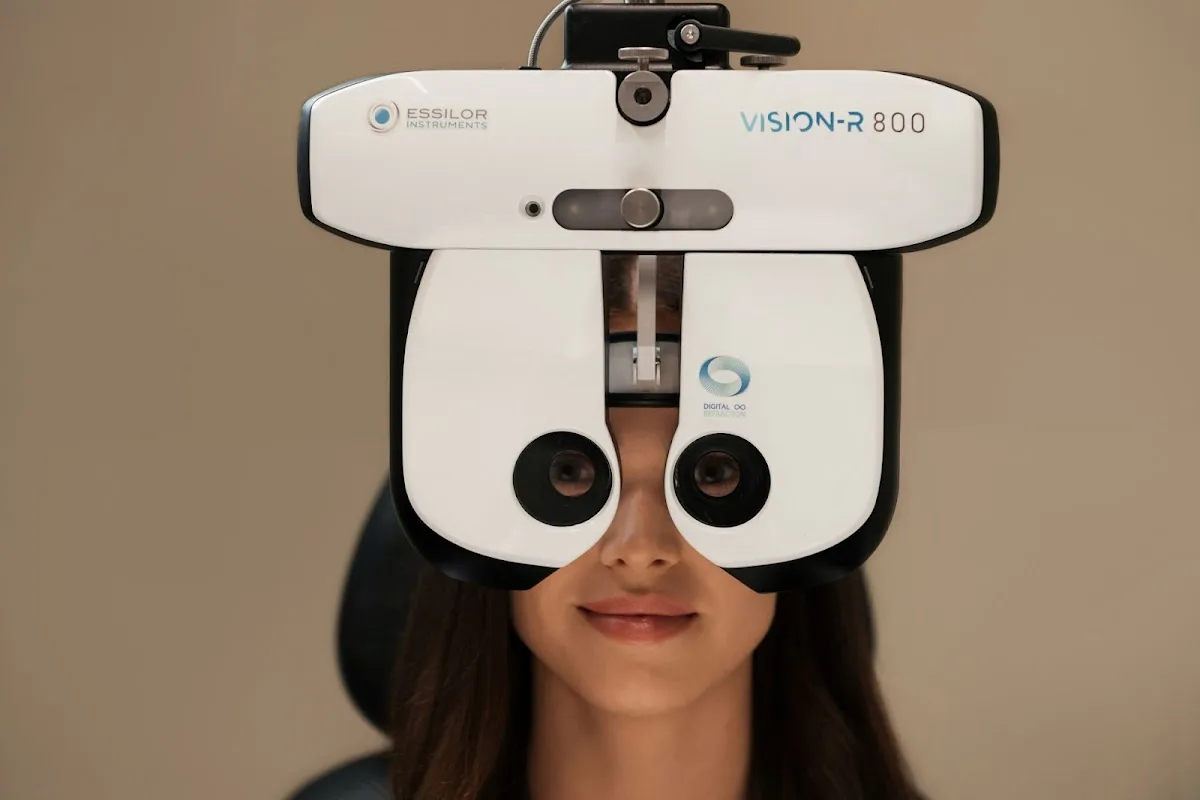 The 60 Broad Street location makes it straightforward to plan an exam visit around the rest of a day in Midtown Manhattan.
Before you book: confirm the appointment type and what to bring
When scheduling, the office phone is +1 212-785-0797, which is the fastest way to confirm what the appointment will cover and whether any documents are needed. The most important preparation is to arrive with relevant history: your current glasses or contact lenses, any prior prescription information, and a list of symptoms such as eye strain, dryness, glare, or headaches. If you wear contacts, bring the current brand and parameters if you have them available.
Because the practice supports both eyeglasses and contact lens planning, it helps to mention upfront whether the goal is an updated eyeglass prescription, a contact lens re-fit, or both. That small detail can reduce back-and-forth on the visit day and makes the time in the chair more efficient.
What the eye exam process usually looks like for first-timers
Most optometry visits at this kind of practice follow a clear, step-by-step flow: a vision evaluation, then testing eye health. The exam can include refraction for glasses, and the clinician may perform additional checks such as slit-lamp evaluation and an ocular health screen to understand how your eyes are functioning. If contact lenses are part of the plan, measurements and lens selection steps typically come after the prescription work is established.
If it is your first time visiting this location, allow a little extra time for check-in so the staff can confirm insurance billing preferences and your paperwork. Having your current frame style (or a picture of preferred lenses/coatings) also makes it easier to align the final eyewear plan with how you actually use your vision day to day.
Contact lens fitting: how the office helps move from test results to lenses
For patients focusing on contacts, the visit is not just about a number on a prescription. A contact lens fitting aims to connect measurements with comfort and clarity, including selection for daily disposables, monthly lenses, and prescriptions that require specialized designs such as toric or multifocal lenses. If a patient has a history of discomfort, it is especially helpful to describe when irritation happens (end of the day, during screen work, or in dry environments) so the clinician can factor that into the fitting.
For existing contact wearers, the goal is usually to improve consistency—clear vision without sacrificing comfort. If you are switching brands or moving to a new lens type, confirm whether you should arrive without contacts (and for how long) so the measurements can be taken accurately.
Designer frames and eyewear planning on the same visit
In addition to exams and contacts, the office supports designer frame selection for glasses and align lens options with the frames patients want. That matters for people who prefer to choose their frames in person rather than ordering remotely. If you have a specific frame shape you like—round, rectangular, or oversized—bring a reference and expect the selection step to be part of the overall visit experience.
If pricing depends on vision insurance, it can be useful to schedule with the understanding that insurance coverage may guide how frames and lenses are finalized. The official scheduling link provided by the practice can be used to review availability and begin the appointment flow.
How to reach the practice and schedule your visit
The official website scheduling page for Doctors of Optometry - 60 Broad Street is: Schedule Exam. For same-day questions, use +1 212-785-0797. The combination of a confirmed appointment type and a short prep checklist (current lenses, prior prescriptions, and a symptom list) keeps your first visit the results that matter: updated vision correction and an eyewear plan that fits how you live.